
10 Essential Things to Know Before Visiting Australia
 By Jenna Jolie
| Update on: Nov 02, 2026
Australia is a dream destination for travelers seeking breathtaking landscapes, fascinating wildlife, vibrant cities, and unforgettable adventures. From the iconic Sydney Opera House to the Great Barrier Reef and the spectacular Australian outback, the country offers experiences you won't find anywhere else.
However, planning your first Australian holiday involves more than choosing destinations and booking flights. Understanding local customs, transportation, visa requirements, and safety regulations can make a significant difference to your travel experience.
There are several important things to know before visiting Australia, especially if you're traveling from overseas for the first time.
- 1. Check Australian Visa Requirements Before Your Trip
- 2. Australia Has Strict Customs and Biosecurity Rules
- 3. Australia Is Much Bigger Than You Might Expect
- 4. Australia's Seasons Are Different from the Northern Hemisphere
- 5. Australians Drive on the Left Side of the Road
- 6. Beach Safety and Sun Protection Are Essential
- 7. Travel Insurance Can Protect You from Unexpected Expenses
- 8. Learn About Australian Money, Tipping, and Everyday Expenses
- 9. Respect Aboriginal and Torres Strait Islander Cultures
- 10. Prepare for Emergencies and Remote Travel Conditions
- Plan Your Australian Journey with Australia Immigration Services
1. Check Australian Visa Requirements Before Your Trip
One of the most important things to know before visiting Australia is that most international travelers need a valid visa or travel authorization before arrival.
Australia offers several visa options depending on your nationality, travel purpose, and intended length of stay.
The most common options for short-term visitors include:
- Electronic Travel Authority (subclass 601): Available to eligible passport holders, generally allowing multiple visits over 12 months and stays of up to three months per entry.
- eVisitor visa (subclass 651): Available to eligible European passport holders, generally permitting stays of up to three months per entry.
- Visitor visa (subclass 600): Available under different streams for tourism, visiting family, and certain business visitor activities.
The Australian Department of Home Affairs determines eligibility and visa conditions.
Eligible ETA applicants must use the official Australian ETA app, while many other visa applications can be submitted through ImmiAccount.
Before booking non-refundable travel arrangements, confirm that you have the appropriate visa and understand its conditions.
Travelers can also check Australian visa requirements by nationality when preparing their trip.
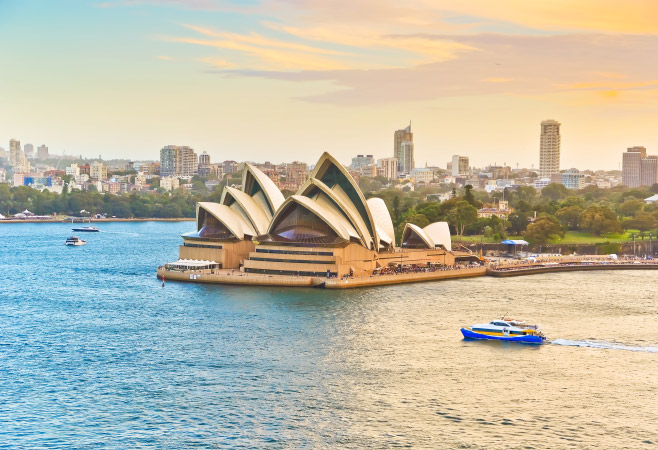 The most important thing to know before visiting Australia is that you need a valid visa
2. Australia Has Strict Customs and Biosecurity Rules
Australia is famous for its unique wildlife and natural environments. To protect these ecosystems, the country enforces strict biosecurity regulations.
Certain food products, plants, seeds, animal products, and other potentially risky items must be declared when entering Australia.
Even seemingly harmless items, such as dried herbs or homemade food, may require inspection.
Travelers should declare relevant goods honestly rather than assume they are permitted.
Failure to declare restricted items can result in penalties, and serious breaches may affect immigration clearance.
Important update for 2027: Australia is gradually introducing the Australia Travel Declaration, a digital system intended to replace paper incoming passenger cards nationwide before the end of 2027.
However, the rollout is phased, so travelers should follow the instructions provided by their airline and Australian Border Force at the time of travel.
For more information, consult the Australian Border Force's official declaration guidance.
3. Australia Is Much Bigger Than You Might Expect
Many first-time visitors underestimate Australia's enormous size.
Although major cities look relatively close together on a map, traveling between them can involve considerable distances.
For example, the flight from Sydney to Melbourne takes approximately 1.5 hours, while traveling from Sydney to Perth takes around four hours.
Driving between these destinations requires significantly more time.
If you're planning to visit several regions, consider combining domestic flights with shorter road trips.
Australia also has multiple time zones, with daylight saving observed in some states and territories but not others.
This can affect domestic flight connections, tour schedules, and hotel check-in arrangements.
Travel tip: Instead of trying to visit every major attraction in one week, focus on two or three destinations. You'll have more time to enjoy each location without spending most of your holiday traveling.
4. Australia's Seasons Are Different from the Northern Hemisphere
Australia is located in the Southern Hemisphere, meaning its seasons occur at opposite times to those in Europe and North America.
Understanding the local climate will help you choose the right destinations and pack suitable clothing.
|
Season |
Months |
Typical travel experiences |
|
Summer |
December–February |
Beaches, coastal holidays, outdoor festivals |
|
Autumn |
March–May |
City sightseeing, hiking, mild-weather escapes |
|
Winter |
June–August |
Outback adventures, whale watching, alpine activities |
|
Spring |
September–November |
Wildflowers, gardens, wildlife, coastal trips |
However, Australia's climate varies significantly between regions.
Tropical northern Australia generally experiences a wet season from November to April and a dry season from May to October.
Meanwhile, southern destinations such as Melbourne and Tasmania can experience chilly winter weather.
Before traveling, check the Australian Bureau of Meteorology for local forecasts and weather warnings.
5. Australians Drive on the Left Side of the Road
If you're planning an Australian road trip, remember that vehicles drive on the left-hand side.
This can be challenging for visitors accustomed to driving on the right.
Australian road rules are strictly enforced, including speed limits, seatbelt requirements, and restrictions on mobile phone use.
International visitors may be allowed to drive using a valid overseas driver's license, although requirements differ between states and territories.
If your license is not written in English, you will generally need an accepted English translation or an International Driving Permit alongside your original license.
Before renting a vehicle, confirm the applicable licensing and insurance requirements.
For city travel, public transportation is often a convenient alternative.
Sydney, Melbourne, Brisbane, and Perth offer various combinations of trains, buses, ferries, and light rail services.
Travel tip: Use public transportation for exploring major cities and consider renting a vehicle for regional destinations where services are less frequent.
 Australians Drive on the Left Side of the Road
6. Beach Safety and Sun Protection Are Essential
Australia is internationally recognized for its beautiful beaches, but swimming conditions can be unpredictable.
Strong currents, changing tides, and large waves can create hazards even at popular beaches.
Surf Life Saving Australia recommends swimming at patrolled beaches between the red and yellow flags.
These flags identify the designated supervised swimming area.
Travelers should also follow warning signs and avoid entering the water when conditions are unsafe.
Another important consideration is Australia's intense ultraviolet radiation.
According to Cancer Council Australia, sun protection is recommended whenever the UV Index reaches three or above.
Pack broad-spectrum SPF 50+ sunscreen, a wide-brimmed hat, sunglasses, and protective clothing.
Apply sunscreen regularly, particularly after swimming.
In tropical northern Australia, visitors must also pay attention to local warnings about marine stingers and crocodiles.
Following local safety guidance is one of the simplest ways to enjoy Australia's coastal attractions responsibly.
7. Travel Insurance Can Protect You from Unexpected Expenses
Australia has a well-developed healthcare system, but international visitors should not assume medical treatment will be free.
Most temporary visitors are not eligible for Australia's Medicare system, although certain reciprocal healthcare arrangements provide limited benefits to eligible travelers.
Medical consultations, hospital treatment, and ambulance services can result in substantial costs.
For this reason, purchasing suitable Australia travel insurance is strongly recommended.
Depending on the policy, coverage may include:
- Emergency medical treatment and hospitalization
- Trip cancellation or interruption
- Lost or delayed baggage
- Travel delays
- Emergency evacuation or repatriation
Some visas also have specific health insurance requirements.
Always review the policy's coverage limits, exclusions, and conditions before purchasing.
Travel insurance is especially important when planning adventure activities, remote-area travel, or extended stays.
8. Learn About Australian Money, Tipping, and Everyday Expenses
Australia uses the Australian dollar (AUD).
Credit cards, debit cards, and contactless payments are widely accepted in major cities and tourist destinations.
However, carrying a small amount of cash can be useful when visiting remote communities, local markets, or smaller businesses.
Another important cultural difference involves tipping.
Unlike in the United States, tipping is generally optional in Australia.
You don't need to leave a fixed percentage every time you visit a restaurant or café.
However, travelers sometimes tip for exceptional service, particularly at upscale restaurants.
You should also be aware that some businesses apply weekend, public holiday, or card payment surcharges.
Before your trip, compare accommodation prices, transportation costs, and local activities.
Booking popular attractions and hotels early can help you manage your budget, especially during school holidays and major events.
9. Respect Aboriginal and Torres Strait Islander Cultures
Australia's cultural identity extends far beyond its famous landmarks and modern cities.
Aboriginal and Torres Strait Islander peoples maintain some of the world's oldest continuing living cultures, with deep connections to Country, storytelling, language, and traditional knowledge.
For travelers, experiencing Indigenous culture can be one of the most meaningful parts of visiting Australia.
Consider joining Indigenous-led cultural tours, exploring authorized art centers, or learning about Traditional Owners at national parks.
At destinations such as Uluṟu-Kata Tjuṯa National Park, some culturally significant locations have restrictions on photography and access.
Always follow local guidance and ask permission before photographing people or participating in cultural activities.
Learning about these traditions provides a richer understanding of Australian history and contemporary society.
It also encourages respectful tourism that recognizes the diversity of Australia's First Nations communities.
10. Prepare for Emergencies and Remote Travel Conditions
Australia is generally a welcoming destination, but travelers should prepare for unfamiliar environments.
In major cities, emergency assistance and public transportation are widely available.
However, remote national parks and outback regions can have limited phone reception, long distances between services, and extreme weather conditions.
Before traveling into remote areas, carry sufficient water, check road conditions, and inform someone about your planned route.
Download offline maps and consider appropriate emergency communication equipment for isolated journeys.
Australia's main emergency telephone number is 000, which connects callers to police, ambulance, or fire services.
Emergency calls are free, but mobile phones still require access to a compatible available network.
For everyday communication, purchasing a local SIM card or international eSIM may help you access maps, transportation apps, and booking information.
Being prepared will allow you to enjoy Australia's wilderness and outdoor adventures more safely.
Plan Your Australian Journey with Australia Immigration Services
Understanding the essential things to know before visiting Australia is an excellent starting point for planning your holiday.
However, international travelers should also ensure they meet the country's entry and visa requirements.
Australia Immigration Services is a private Travel Visa Agency that assists eligible international travelers with Australian travel visa applications and related travel preparations.
Travelers can use the agency's Australia visa requirements checker to explore entry information based on nationality or review its available Australia visa application services.
The agency provides commercial travel assistance and is not affiliated with the Australian Government.
Australian visa decisions are made by the Department of Home Affairs, and no private agency can guarantee visa approval. Eligible ETA applicants must apply through the official Australian ETA app.
Preparing the right documents before departure allows you to focus on exploring Australia's remarkable destinations.
Related Articles
- Melbourne to Sydney Train: Timetable, Tickets and Overnight Travel
- Adelaide Airport Guide: Terminals, Transport, Hotels & Travel Tips
- Australia Tourist Tax Refund: How to Claim GST at the Airport
- Australia Business Visa Minimum Investment: What Still Applies?
- Australia eVisitor Visa (Subclass 651): Eligibility, Cost and How to Apply
- eSIM in Australia: How to Choose and Set Up a Plan
- Traffic Rules in Australia: A Guide for Tourists and Overseas Drivers
- Perth Airport Guide: Terminals, City Transport and Nearby Hotels
- Brisbane Airport Guide: Terminals, Transport, Taxis and Hotels
- Australia Tulip Season: Best Time to See Tulip Gardens and Festivals in 2026

HOW CAN WE HELP?
 NEED HELP 24/7
 United States
+1 949 346 9868
 United Kingdom
+44 0330 822 7696
 Singapore
+65 6485 3630
 Viber
+65 8174 8526

APPLY WITH CONFIDENCE


|


