
Traveling Solo in Australia: Essential Tips for an Unforgettable Trip
Traveling solo in Australia is an exciting way to discover one of the world's most diverse destinations. From Sydney's iconic harbour and Melbourne's lively café culture to Queensland's tropical rainforests and Western Australia's remote coastlines, the country offers countless opportunities to explore at your own pace.
However, Australia's enormous size, varied climate and unique entry requirements mean that preparation matters. This guide covers everything from arriving in Australia and choosing destinations to practical solo travel tips that can help make your 2026 adventure safer, smoother and more rewarding.
- Why Choose Solo Travel in Australia?
- Arriving in Australia: What Solo Travelers Need to Know
- Best Places for Traveling Solo in Australia
- Solo Travel Tips for a Safe and Enjoyable Trip
- How to Meet People When Traveling Alone
- Budgeting for Solo Travel in Australia
- Frequently Asked Questions About Traveling Solo in Australia
- Conclusion
Why Choose Solo Travel in Australia?
Australia is an appealing destination for independent travelers because it combines modern cities, well-developed visitor services and extraordinary natural landscapes. English is the main language, and major cities offer extensive transport networks, a wide range of accommodation and organized experiences for visitors traveling alone.
There are several reasons to consider a solo Australian adventure:
- Freedom and flexibility: Build your itinerary around your interests, whether that means hiking, wildlife watching, food experiences or beach holidays.
- Opportunities to meet people: Hostels, walking tours, group excursions and social events make it easier to connect with other travelers.
- Varied travel experiences: You can combine city sightseeing with island escapes, national parks, coastal drives and regional food destinations.
- Personal growth: Planning a trip independently can help you develop confidence, problem-solving skills and a greater sense of independence.
Solo travel does not mean you must spend every moment alone. You can enjoy independent sightseeing while joining guided activities or meeting fellow travelers whenever you want company.

Arriving in Australia: What Solo Travelers Need to Know
Your first experience of Australia begins before you leave the airport. Preparing for entry procedures, transportation and your first night's accommodation can make arriving in Australia much less stressful, especially if you are traveling internationally for the first time.
1. Check your visa and entry requirements
Before booking your trip, confirm which Australian visa or travel authority applies to your passport and purpose of travel. Requirements vary according to nationality, travel circumstances and intended activities.
Check the officialAustralian Department of Home Affairs website for current visa information. Apply through the appropriate official channel and allow enough time for processing.
Keep copies of your passport, visa details, travel insurance and accommodation bookings accessible. It is also helpful to save digital copies securely in case you lose access to your luggage.
2. Prepare for Australian border and biosecurity checks
Australia has strict biosecurity controls designed to protect its environment and agricultural industries. Travelers generally need a valid passport and must complete the required arrival declaration, usually an Incoming Passenger Card. Eligible travelers on participating services may be offered a digital Australia Travel Declaration instead.
Read the instructions provided by your airline and consult theAustralian Border Force arrival information before departure.
Pay particular attention to food, plant materials, animal products, soil and outdoor equipment. Declare items when required, answer questions truthfully and follow directions from border officials. Check that hiking boots, camping equipment and other outdoor gear are clean before packing.
3. Plan your airport transfer
Australia's major international airports include Sydney, Melbourne, Brisbane, Perth and Adelaide. Each has different transport options, so research how to reach your accommodation before you arrive.
Depending on the city, you may use an airport train, public bus, taxi, rideshare service or prearranged transfer. Check the official transport website for routes, fares, payment methods and service hours.
If your flight arrives late at night, consider booking accommodation with straightforward check-in arrangements and organizing your transfer in advance. This is particularly useful if you are unfamiliar with the city or carrying several bags.
4. Prepare your phone and payment options
Arrange mobile connectivity before or shortly after arrival. An Australian SIM or eSIM can help you access maps, transport information, accommodation details and emergency contacts.
Carry a bank card that works internationally, and consider keeping a separate backup payment method. Contactless payments are widely used in cities, but some regional businesses may have limited connectivity or different payment arrangements.

Best Places for Traveling Solo in Australia
Australia is too large to explore completely in one short holiday. Instead of trying to visit every state, choose a few destinations that fit your interests, available time and budget.
Sydney: Iconic sights and coastal walks
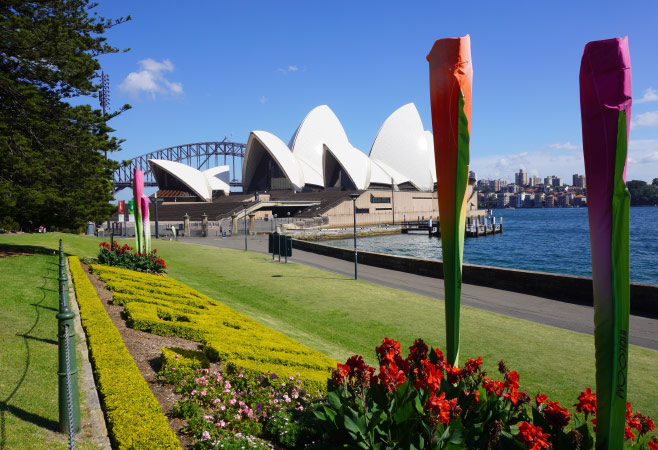
Sydney is an excellent starting point for solo travelers. You can visit the Sydney Opera House, walk around Circular Quay, explore The Rocks and take a ferry across the harbour.
For outdoor activities, the Bondi to Coogee coastal walk offers ocean views, beaches and opportunities to stop at cafés along the way. Walking tours and organized harbour excursions can also help you meet other visitors.
Sydney's public transport makes independent sightseeing relatively convenient, although you should check late-night services and plan your return journey before heading out in the evening.
Melbourne: Cafés, culture and creative neighborhoods
Melbourne is a strong choice for travelers interested in food, art, shopping and cultural experiences. Explore the city's laneways, visit galleries, browse independent shops or spend an afternoon discovering its café scene.
You can also take a day trip along the Great Ocean Road or visit the Yarra Valley with a guided group. These experiences provide a way to explore areas outside the city without having to organize every transport detail yourself.
Cairns: Tropical adventures and natural wonders
Cairns is a useful base for travelers who want to experience tropical Queensland. Popular activities include Great Barrier Reef excursions, rainforest tours and visits to Kuranda.
Joining a small-group tour can be particularly convenient if you are traveling alone and want to snorkel, hike or explore remote attractions with an experienced guide.
Plan outdoor activities around weather conditions, and confirm what equipment, meals and transfers are included before booking.
Adelaide and South Australia: Food, wine and wildlife
Adelaide offers a relaxed urban experience with markets, museums, parks and restaurants. It can also serve as a starting point for trips to Kangaroo Island, the Adelaide Hills and South Australia's wine regions.
Guided excursions are a practical option for solo visitors who want to explore regional attractions without renting a car. If you visit wineries, check transport arrangements in advance rather than assuming public transport will connect every stop.
Perth: Beaches and wide-open landscapes
Perth appeals to travelers who enjoy sunshine, coastal scenery and outdoor activities. Visit Kings Park, explore Fremantle or spend time at beaches such as Cottesloe.
For longer journeys, consider an organized excursion or a carefully planned road trip. Western Australia covers vast distances, and remote areas require more preparation than city sightseeing.
Solo Travel Tips for a Safe and Enjoyable Trip
Good solo travel tips should make your journey more comfortable without taking away the spontaneity that makes traveling alone special.
Choose accommodation carefully
Look for accommodation with recent reviews, clear check-in procedures and convenient access to the places you want to visit. Hostels can be a budget-friendly way to meet other travelers, while private rooms, hotels and serviced apartments may provide more privacy.
If you arrive late, confirm that reception or self-check-in will be available. Share your accommodation details with someone you trust, and avoid revealing your room number or travel plans to people you have just met.
Balance planning with flexibility
Reserve essential flights, popular tours and accommodation during busy periods, but leave room for unexpected discoveries.
A realistic itinerary is more enjoyable than one that requires you to travel long distances every day. Australia has significant distances between destinations, and domestic flights may be the most practical choice for some journeys.
Allow extra time for delays, weather changes and rest days.
Use transport thoughtfully
Public transport is useful in many Australian cities, but services become less frequent in some regional areas and late at night.
Check timetables before leaving, wait in well-lit areas and choose official taxi or verified rideshare services. When traveling alone at night, consider sitting near the driver or other passengers and letting someone know when you expect to arrive.
If renting a car, remember that Australians drive on the left. Check local road rules, rental conditions and insurance coverage. For remote journeys, plan fuel stops, carry enough water and check road and weather conditions before departing.
Protect your belongings and personal information
Keep your passport and backup payment method secure. Use a bag that closes properly, avoid leaving valuables unattended and be cautious when using public Wi-Fi for sensitive transactions.
Do not share your live location or detailed itinerary publicly while you are still traveling. When meeting people, choose public places first and trust your instincts if a situation feels uncomfortable.
Prepare for Australia's climate and outdoor conditions
Australian weather varies considerably by region and season. Tropical areas can experience heavy rainfall and humidity, while inland areas may be extremely hot and remote.
Pack suitable clothing, sunscreen, a hat, reusable water bottles and footwear appropriate for your activities. Check local advice before swimming, hiking or visiting remote areas. At patrolled beaches, swim between the red and yellow flags and follow lifeguard instructions.
For outback travel, research the route carefully and carry sufficient food, water and emergency supplies. Mobile reception may be unreliable in isolated locations.
Stay connected without feeling dependent on your phone
A phone is useful for navigation and safety, but do not rely on it as your only source of information. Download offline maps, save your accommodation address and keep important contact details available offline.
Share your general itinerary with a trusted friend or family member, especially before hiking or driving in remote areas. Australia's emergency number is 000 for police, fire and ambulance services.
How to Meet People When Traveling Alone
One of the biggest concerns for first-time solo travelers is loneliness. Fortunately, there are many ways to connect with others while keeping control of your schedule.
- Stay in social accommodation: Hostels and communal guesthouses often organize dinners, walking tours and group activities.
- Join guided experiences: Food tours, wildlife excursions, surf lessons and day trips offer natural opportunities to meet people.
- Explore local events: Markets, festivals, public workshops and cultural activities can help you experience a destination beyond its main attractions.
- Use traveler communities thoughtfully: Online groups can help you find events or travel companions, but meet new contacts in public places and protect your personal information.
- Make time for yourself: Enjoy a café breakfast, museum visit or beach walk alone when you want a quieter day.
You do not need to be outgoing every day to enjoy solo travel. A good trip gives you the freedom to socialize when you feel like it and enjoy your own company when you do not.
Budgeting for Solo Travel in Australia
Travel costs depend on your destination, accommodation choices, season and activities. Traveling alone means you may not be able to split the cost of a hotel room or rental car, so planning ahead is especially useful.
To manage your budget:
- Compare hostels, private rooms and self-contained accommodation.
- Use public transport in cities where it is convenient.
- Book domestic flights and popular tours early when possible.
- Shop at supermarkets and local markets for some meals.
- Set aside money for travel insurance, unexpected expenses and emergency transport.
Group tours can sometimes offer better value than arranging several individual activities. Compare what is included, including transfers, equipment, meals and admission fees, rather than choosing solely by the advertised price.
Frequently Asked Questions About Traveling Solo in Australia
Is Australia good for solo travelers?
Yes. Australia offers varied destinations, established tourism services, English-language information and opportunities to join group activities. However, safety and transport conditions vary by location, so independent travelers should plan carefully, especially in remote areas.
Is it safe to travel alone in Australia?
Many people travel independently across Australia, but no destination is completely risk-free. Research your accommodation and route, protect your belongings, follow local safety guidance and take additional precautions when hiking, swimming or traveling at night.
What should I do when arriving in Australia for the first time?
Check your visa requirements before departure, prepare the required arrival declaration, follow biosecurity rules and organize transport to your accommodation. Having mobile connectivity, a payment method and a confirmed first night's stay can make arrival easier.
How much money do I need for solo travel in Australia?
Your budget depends on accommodation, transport, dining and activities. Hostels, public transport and self-guided sightseeing can reduce costs, while private rooms, domestic flights and organized excursions may increase them. Estimate expenses by destination and keep an emergency reserve.
How can I meet other travelers in Australia?
Stay in social accommodation, join guided tours, attend local events and take part in outdoor activities. These options provide opportunities to connect with others without committing to travel together for your entire trip.
Conclusion
Traveling solo in Australia can be a rewarding way to experience the country's vibrant cities, extraordinary landscapes and welcoming travel communities. With thoughtful preparation, you can move at your own pace, discover places that match your interests and make meaningful memories along the way.
If you need help understanding travel visa options before your trip, Australia Immigration Services is a Travel Visa Agency that travelers can consult for visa-related guidance. Always verify the latest requirements with the official Australian Department of Home Affairs before submitting an application or traveling.
Related Articles
- Melbourne to Sydney Train: Timetable, Tickets and Overnight Travel
- Adelaide Airport Guide: Terminals, Transport, Hotels & Travel Tips
- Australia Tourist Tax Refund: How to Claim GST at the Airport
- Australia Business Visa Minimum Investment: What Still Applies?
- Australia eVisitor Visa (Subclass 651): Eligibility, Cost and How to Apply
- eSIM in Australia: How to Choose and Set Up a Plan
- Traffic Rules in Australia: A Guide for Tourists and Overseas Drivers
- Perth Airport Guide: Terminals, City Transport and Nearby Hotels
- Brisbane Airport Guide: Terminals, Transport, Taxis and Hotels
- Australia Tulip Season: Best Time to See Tulip Gardens and Festivals in 2026

HOW CAN WE HELP?
 NEED HELP 24/7
 United States
+1 949 346 9868
 United Kingdom
+44 0330 822 7696
 Singapore
+65 6485 3630
 Viber
+65 8174 8526

APPLY WITH CONFIDENCE


|


