
Great Ocean Road Road Trip: Australia’s Most Iconic Coastal Journey
 By Axel Donovan
| Update on: Aug 15, 2026
By Axel Donovan
| Update on: Aug 15, 2026
Few road trips in Australia match the scenery and variety of the Great Ocean Road. Victoria's spectacular southern coastline is where this iconic road is situated, and along it, you will combine the sights of the ocean, amazing landmarks, the sight of wildlife, attractive seaside towns, and wonderful driving experiences.
The route appeals to all kinds of travelers, from first-time visitors to long-term explorers looking to experience regional Victoria, or an investor combining business travel with leisure, the Great Ocean Road is the right place for you, as it has everything: peace, fun, and a bit of new knowledge.
This guide covers route planning, itinerary ideas, major attractions, and practical driving tips for the Great Ocean Road road trip itinerary to knowing multiple Great Ocean Road road trip map routes and choosing the one which will give you the best experience will be covered by this detailed guide.
- What Is the Great Ocean Road?
- Why the Great Ocean Road Road Trip Is So Popular
- Planning Your Great Ocean Road Road Trip
- The Perfect Great Ocean Road Road Trip Itinerary
- Understanding the Great Ocean Road Road Trip Map
- Must-See Attractions Along the Route
- Wildlife Encounters on the Great Ocean Road
- Driving Tips for First-Time Visitors
- Accommodation Options
- Food and Dining Experiences
- Budgeting Your Great Ocean Road Road Trip
- Combining Travel With Australian Opportunities
- Final Thoughts
What Is the Great Ocean Road?
Running along the southern coastline, the Great Ocean Road is a 240 km scenic highway in Victoria, Australia. Built by returned servicemen between 1919 and 1932, the Great Ocean Road is considered the world’s largest war memorial.
Starting from near Torquay and ending at Allansford near Warrnambool, the road meanders along cliffs, rainforests, beaches, and national parks with views of the Southern Ocean.
People who travel the Great Ocean Road rate it very highly as a must-do activity not only in Australia but also in the whole world. It is often compared with California’s Pacific Coast Highway and Italy’s Amalfi Coast.
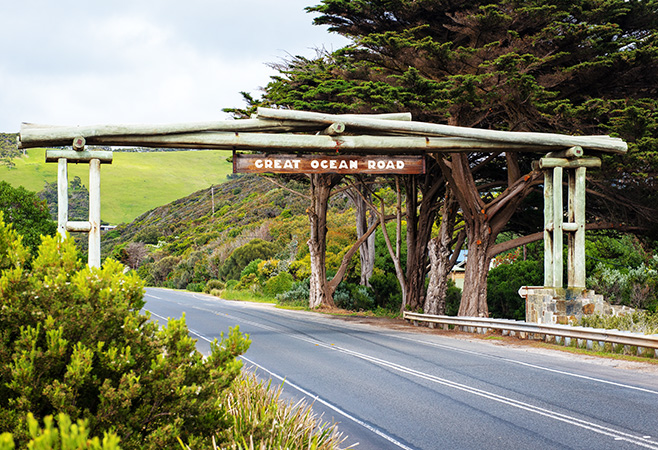 Scenic coastal drive along the Great Ocean Road in Victoria Australia overlooking cliffs and the Southern Ocean
Why the Great Ocean Road Road Trip Is So Popular
People who travel the Great Ocean Road rate it very highly as a must-do activity in Australia because of several reasons:
1. Iconic Natural Landmarks
The coastline boasts feature rock formations that have been continuously modified for millions of years by the air and sea.
2. Easy Accessibility
Since the highway is at a very short distance from Melbourne by car, it is possible to follow the route even if you are a business traveler with a very tight schedule.
3. Flexible Travel Style
It is possible to do the Great Ocean Road trip in one day, or to have a weekend trip, or even a slow multi-day trip.
4. Diverse Experiences
You can combine surf beaches, rainforest walks, coastal dining, wildlife spotting, and scenic helicopter tours in a single trip.
Planning Your Great Ocean Road Road Trip
Before hitting the road, proper planning ensures a smooth experience.
Best Time to Visit
- Summer (Dec–Feb): Warm weather and lively towns, but busiest season
- Autumn (Mar–May): Ideal balance of good weather and fewer crowds
- Winter (Jun–Aug): Dramatic ocean views and whale watching
- Spring (Sep–Nov): Wildflowers and pleasant temperatures
For most travelers, autumn and spring offer the best overall conditions.
Starting Point
Most road trips begin in Melbourne, Victoria’s cultural and business capital. Renting a car provides maximum flexibility, though guided tours are also available.
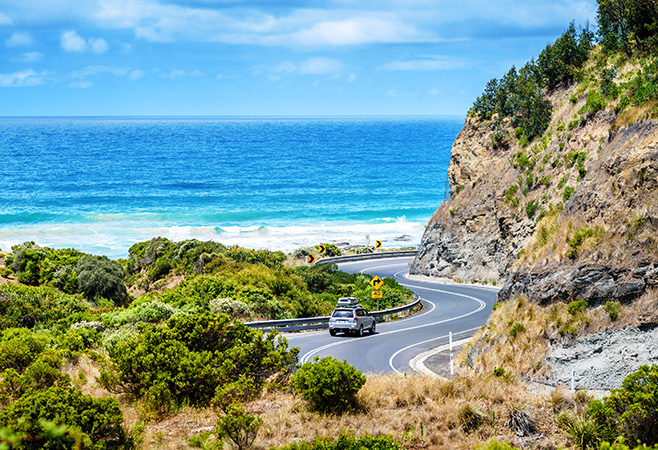 Travelers planning a Great Ocean Road road trip itinerary map from Melbourne through Victoria coastline
The Perfect Great Ocean Road Road Trip Itinerary
Designing the right Great Ocean Road road trip itinerary depends on your schedule. Below is the most recommended 3-day structure for travelers seeking a balanced experience.
Day 1: From Melbourne to Apollo Bay
Highlights:
- Torquay Surf Coast
- Bells Beach
- Lorne
- Teddy’s Lookout
- Erskine Falls
If you leave Melbourne early, you'll be at Torquay, known worldwide as Australia's surfing mecca. Ocean views change dramatically as you start along the coast.
It's a nice drive passing through Anglesea and completing at Lorne: a lively coastal town that's great for food and coffee breaks. Besides that, a brief walk through the rainforest to the beautiful Erskine Falls will diversify your nature scenes.
Keep in mind that Apollo Bay is simply the perfect choice for overnight accommodation since it is a quite small resort on the beach.
Drive time: ~4- 5 hours, including breaks
Day 2: From Apollo Bay to Port Fairy
This is the most spectacular section of the Great Ocean Road road trip.
Major Stops:
- Gibson Steps
- Twelve Apostles
- Loch Ard Gorge
- London Arch
- The Grotto
- Bay of Islands Coastal Park
Besides lighthouse tours, the most striking feature of the area is the towering formations of the Twelve Apostles made of limestone. They are particularly stunning when sunlight from the sunrise or sunset bathes them in their golden color.
Many travelers rush through this section, but slowing down often reveals quieter viewpoints and lesser-known coastal stops, whereas a relaxed pace allows you to find some hidden gems even more breathtaking than the famous ones that you can see from a distance.
Your last night should be spent at Port Fairy, known primarily for its heritage-listed cottages and peaceful seaside, to name but a few.
Drive time: ~3- 4 hours not including breaks
Day 3: From Port Fairy to Melbourne (via Inland Route)
For heading back, the options are either the inland Victoria route or extending the trip to national parks, wineries, or regional business hubs.
Optional stops:
- Warrnambool Whale Nursery (seasonal)
- Tower Hill Wildlife Reserve
- Camperdown volcanic lakes
Understanding the Great Ocean Road Road Trip Map
Properly charting a road trip on the Great Ocean Road map is one of the top ways to shorten your travel time and give yourself more time to enjoy.
Key Route Sections
- Surf Coast (Torquay → Lorne): Soft waves, surfing life, nature lookouts.
- Otway National Park Area: Lush green forests, series of beautiful waterfalls, and local animals.
- Shipwreck Coast (Princetown → Warrnambool): Famous rock and cliff formations.
- Western Side: Less busy roads, fewer tourists, great secret coastal spots.
Pro Travel Tip
It is better to drive from east to west. That way, you will have the sea views always on your side, and that will make it more convenient to stop at the viewpoints and safer as well.
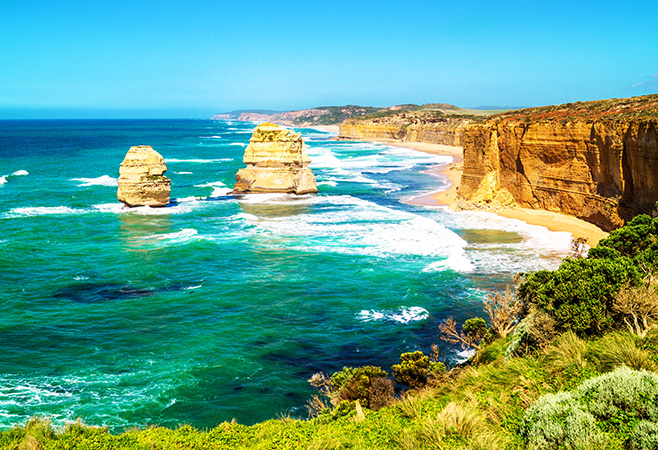 Famous attractions along the Great Ocean Road including Twelve Apostles Loch Ard Gorge and Otway National Park
Must-See Attractions Along the Route
- Twelve Apostles: Australia’s most photographed coastal landmark, these limestone stacks rise dramatically from the Southern Ocean.
- Loch Ard Gorge: Named after a historic shipwreck, this location blends storytelling, history, and stunning geology.
- Great Otway National Park: A lush contrast to the coastline, featuring ancient forests, waterfalls, and walking trails.
- Bells Beach: An internationally recognized surfing destination hosting major competitions.
Wildlife Encounters on the Great Ocean Road
Besides your planned sightseeing, you might get a few surprises seeing some wildlife along the way on the Great Ocean Road trip:
- Koalas in the wild near Kennett River
- Kangaroos and wallabies in natural reserves
- Parrots and cockatoos of the native species
- Southern right whales along the coast (during winter).
Keep yourself safe by respecting the animals' space and the rules of preservation at all times.
Driving Tips for First-Time Visitors
These days, for foreign visitors who mix their traveling with immigration, investment plans, and so on:
- Left-hand driving is compulsory
- The roads are very twisty; give yourself a generous allowance for the journey.
- Don't drive at night as a precaution against wildlife crossing the roads
- Refuel, if possible, in small towns
- Download navigation offline maps
Accommodation Options
The Great Ocean Road caters to every travel style:
Luxury Travelers
- Boutique coastal resorts
- Ocean-view eco lodges
- Private villas
Mid-Range Options
- Beach motels
- Holiday apartments
- Bed and breakfasts
Budget Travelers
- Caravan parks
- Hostels
- Campsites within national parks
Booking ahead is recommended during peak tourism seasons.
Food and Dining Experiences
A major highlight of the journey is local cuisine.
Expect:
- Fresh seafood straight from the Southern Ocean
- Artisan bakeries and cafés
- Regional wineries
- Farm-to-table restaurants
Apollo Bay and Lorne are particularly strong culinary stops.
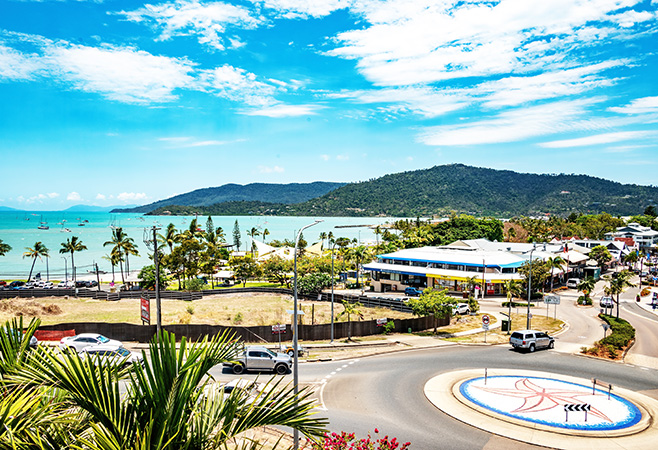 Coastal dining experience along the Great Ocean Road featuring seafood restaurants and ocean views in Apollo Bay and Lorne
Budgeting Your Great Ocean Road Road Trip
While the drive itself is free, costs vary depending on travel style.
Estimated Costs (Per Person):
- Car rental: AUD $60–120/day
- Accommodation: AUD $120–350/night
- Food: AUD $40–90/day
- Activities: Optional tours or flights vary
For professionals or investors visiting Australia, combining the trip with business meetings in Melbourne often maximizes travel value.
Combining Travel With Australian Opportunities
Some visitors use their trip to explore Australia more broadly, including study, work, or long-term lifestyle opportunities. If you are considering relocation or extended stays, it’s worth checking current visa pathways and speaking with licensed migration professionals before making plans.
Australian Immigration Services that provide professional advice are always ready to help people looking to relocate, find work or plan investment migration to Australia. It is a good idea to look for advice from professionals so that you not only comply with immigration regulations but also carry out your plans in line with your future goals.
Final Thoughts
Anyone who thinks that a Great Ocean Road road trip is only about a nice drive needs to think again. It is a journey through the natural wonders of Australia, its history, and lifestyle.
A well-planned itinerary gives you more time to explore smaller coastal towns, walking trails, and scenic lookouts beyond the main tourist stops.
If you are going to Australia for pleasure, business or long-term prospects, this famous seaside trip is capable of giving you the most wonderful memories of your life.
Take time to make your plans, be a safe driver and let the Great Ocean Road keep on surprising you with its charms.
Related Articles
- Australia Tulip Season: Best Time to See Tulip Gardens and Festivals in 2026
- Melbourne Airport Guide: Terminals, Transport, Transfers, Accommodation and Travel Tips
- Sydney Airport Guide: Terminals, Airport Code, Transport, Accommodation and Travel Tips
- Tipping in Australia: Tipping Culture, Restaurants, Hotels and Etiquette
- Lavender in Tasmania: Lavender Farms, Season, Tours and the Best Time to Visit
- Instagrammable Places in Australia: Picture-Perfect Destinations for Your 2026 Trip

HOW CAN WE HELP?
 NEED HELP 24/7
 United States
+1 949 346 9868
United States
+1 949 346 9868
 United Kingdom
+44 0330 822 7696
United Kingdom
+44 0330 822 7696
 Singapore
+65 6485 3630
Singapore
+65 6485 3630
 Viber
+65 8174 8526
Viber
+65 8174 8526

APPLY WITH CONFIDENCE


|


